
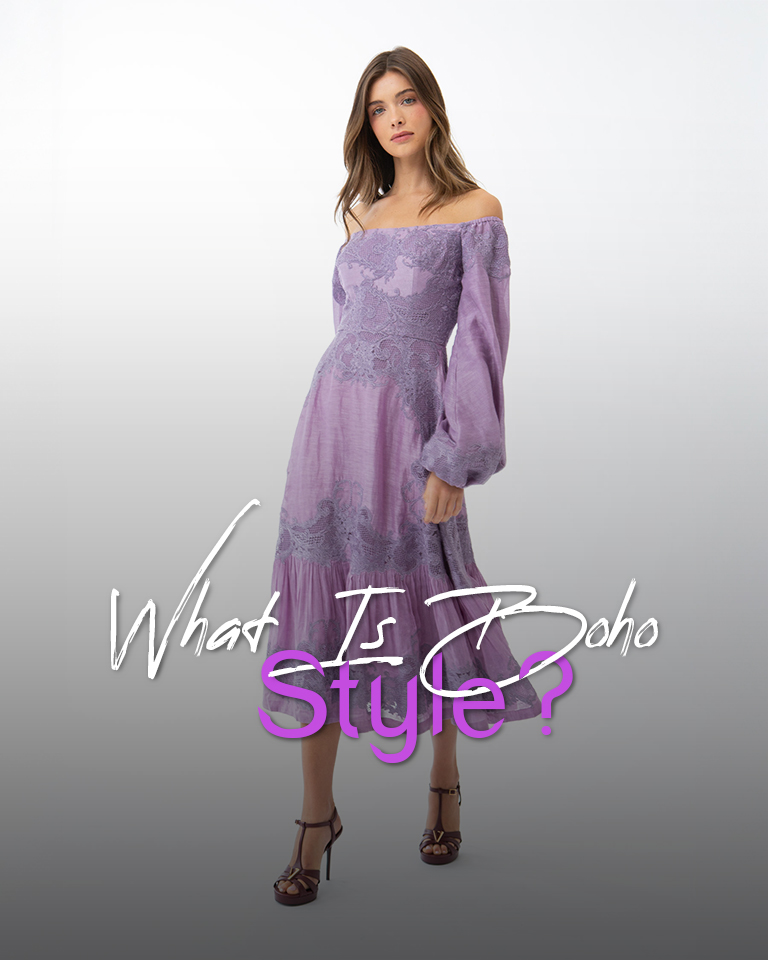
Boho style is a free-spirited fashion aesthetic inspired by bohemian culture, artistic expression, and global influences. Known for flowing silhouettes, earthy colours, layered textures, and eclectic accessories, boho fashion blends comfort with individuality. Its roots trace back to 19th-century bohemian communities and later counterculture movements, evolving into a versatile modern style.
What Does “Boho” Mean and Where Does It Come From?
Derived from the word “bohemian”, the boho dressing style originated in 19th-century France. During that time, impecunious artists, actors, and writers wore non-traditional, worn-out clothes and were mistaken for Romani travellers from Bohemia by the French. This confusion led to the name of this particular dressing style. However, the style further evolved during the 1960s and 1970s, with hippies adding bell-bottoms, big floral prints, and festival wear to the category.
The Key Signatures of Boho Style
Boho style is all about relaxed silhouettes, natural textures, and an effortlessly eclectic feel. Flowing fabrics, earthy tones, layered details, and statement accessories come together to create its distinctive free-spirited look.
Flowing Silhouettes and Natural Fabrics: The Bohemian aesthetic mainly focuses on looser silhouettes and steers clear of anything too tight or rigid. Some of the staple boho pieces include flowy maxi dresses, billowy blouses, wide-leg pants, airy designer kaftans, and cascading shrugs. Most of these outfits are often made from airy, lightweight materials like cotton, linen, hemp, leather, and silk to ensure the clothes stay intact and age gracefully.
Prints, Patterns, and Earthy Tones: One key characteristic of bohemian fashion is its eclectic patterns coupled with an earthy colour palette. The clothing focuses on nature-inspired colours like shades of olive green, rust, terracotta, deep brown, and warm beige, with vibrant accents of burgundy, mustard yellow, and turquoise. The patterns and prints make up a very crucial part of bohemian attire, and some of the traditional ones include florals, paisleys, tribal designs, and geometric patterns.
Artisanal Details: Bohemian fashion significantly focuses on artisanal craftsmanship and detailing like hand embroidery, crochet, macrame, broderie anglaise, patchwork, block printing, tie-dye, tassels, fringe, piping, and mirror work to elevate the clothing.
How to Style Boho Fashion?
Styling boho fashion is all about mixing relaxed silhouettes, natural textures, and expressive details without looking overly coordinated. Layer flowing pieces with earthy tones, artisanal accessories, and comfortable footwear to create an effortless, free-spirited look.
Everyday and Casual Boho
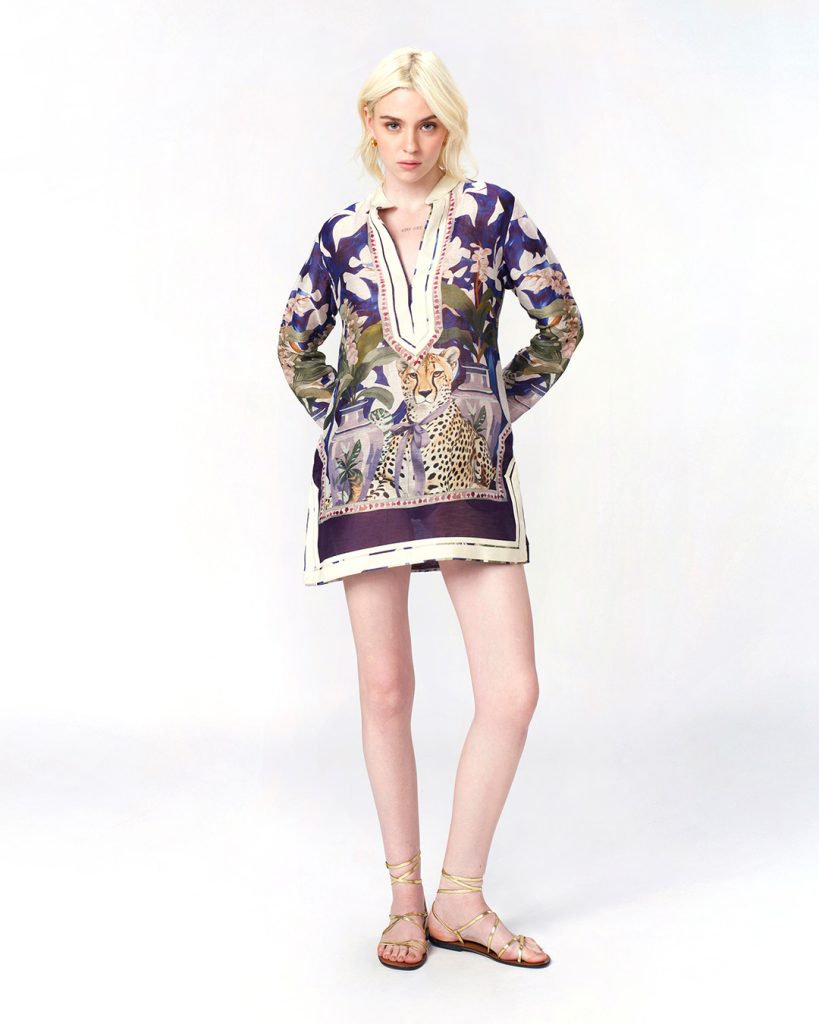
Loose tunic dresses: Loose tunic women’s dresses are one of the key pieces of bohemian fashion that are simple to wear and style for creating casual everyday looks. And with the right accessories like jewellery, bags, and footwear, you can elevate the look further.
Flowy blouses with shorts: This combination is one of the most popular outfit styles for concerts and music festivals. Distressed denim shorts paired with a loose, billowy cotton blouse with fringed leather or suede accessories create the perfect comfy boho outfit for a long day out.
Tiered skirts: Tiered skirts are one of the foundational pieces in a boho wardrobe. These can be styled with printed or distressed T-shirts or cropped Bardot tops to create desired looks. Additional accessories are a must to achieve a cohesive look.
Lace and fringe details: The use of lace and fringe detailing on hems, sleeves, necklines, bags, and shoes adds movement and texture. The delicate lace adds a feminine touch, while the cascading fringe adds drama to the outfit.
Layering pieces: Layering pieces like jackets and shrugs is a crucial part of bohemian clothing, as they add texture and visual interest to the outfit. Flowy shrugs, long knit cardigans, and suede fringe jackets are a must if you are trying to build a boho wardrobe.
Festive and Occasion Boho
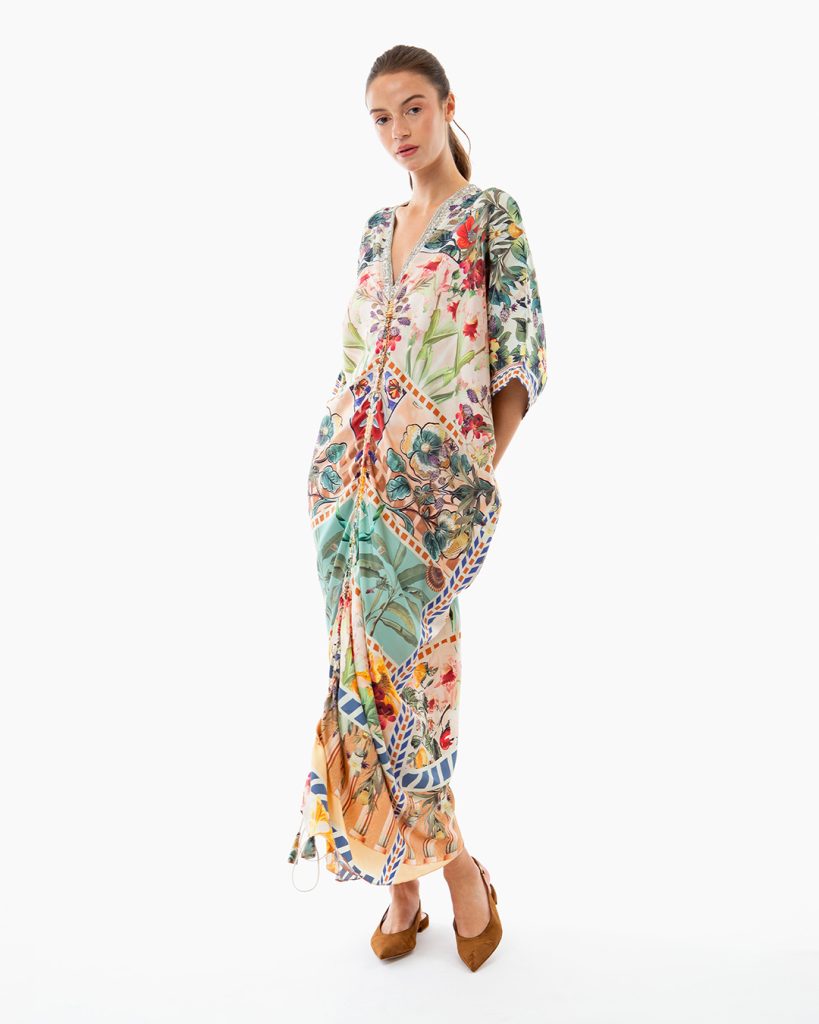
Statement maxi dresses: Maxi dresses in flowing silhouettes like A-line, tiered panels, and empire waists featuring eclectic floral prints, paisleys, and tribal prints are a must.
Crochet tops with flared palazzos: Crochet tops paired with wide-leg pants or palazzos can be counted as one of the most popular boho outfits that combines comfort, style, and functionality.
Printed co-ord sets: A sophisticated and comfortable combination that requires minimal effort to put together. Opt for wide-leg printed or solid-hued pants paired with front tie shirts or asymmetrical tops, and fringe capes to keep up with the boho vibe.
Fedora hats, chunky jewellery: As far as boho accessories go, fedora hats and chunky jewellery pieces are a no-brainer. Choose wide-brim suede or straw fedoras in earthy tones. For jewellery, rely on chunky oxidised pieces, beaded necklaces, and stacked bracelets.
Metal belts and boots: Accessories are always a must to make the look appear put-together. Metal belts not only cinch in the waist but also add a glimmering touch to the outfit. For boots, opt for pointed-toed cowboy boots, fringe suede boots, or embroidered boots depending on your overall fit.
Frequently Asked Questions
What is the difference between boho and hippie?
Both dressing styles celebrate free-spiritedness but differ in their origin, key elements, and refinement level.
What is boho-chic?
The boho-chic dressing style can be defined as a style that combines bohemian fashion elements with an elegant and polished touch.
What colours are associated with boho style?
Popular colours associated with bohemian clothing are earthy neutral tones like cream, warm white, beige, sand, taupe, and shades of brown, sun-kissed hues like terracotta, rust, burnt orange, and mustard yellow, and natural greens and blues like sage, olive green, teal, turquoise, deep blue, and indigo.
Where does the word “boho” come from?
The word “boho” comes from “bohemian” and is often used to describe a certain lifestyle and fashion sense that originated in 19th-century France.