

The trench coat is one of the most crucial elements of the modern fashion era. What started as a utility garment for the soldiers has evolved to become one of the most prominent fashion pieces in the last hundred or so years. The elegant silhouette rules the fashion wardrobes of millions of women globally. But what makes this coat stand out from its counterparts? For that, you need to understand the true definition of a trench coat.
What is a Trench Coat?
A trench coat is a type of utility jacket for women, developed during World War I to withstand harsh climatic conditions. The original coat was made from waterproof material called gabardine, but today, you can explore it in different fabrics based on your preferences and seasons. The classic trench coat stands out with its appearance, as it features a double-breasted silhouette, a tie-up waist belt, wide lapels, a back vent, and shoulder epaulettes, giving it a distinctive look.
But the military-style coat did not make it into the commercial market until World War II. It was only after that that trench coats were made available for women, apparently due to a surplus of military clothing. Soon after, they were popularised by various Hollywood actresses, cementing their position in the fashion world for years to come.
Different Types of Trench Coats
Today, trench coats can be explored in a variety of styles varying in terms of fabrics, lengths, and designs. Some of the best picks based on these factors are.
| Type | Description | Best For |
| Short Trench | Hip to mid-thigh length | Petites, casual wear |
| Medium/Knee-Length | Classic versatile cut | Most body types, everyday |
| Long/Full-Length | Ankle-grazing | Tall frames, formal |
| Double-Breasted | Structured with 6-10 buttons | Power looks, men |
| Single-Breasted | Slimmer 4-button front | Women, softer silhouettes |
Types of Trench Coats by Length
Short Trench Coat:
A shorter trench coat usually ends mid-thigh, offering a convenient take on the classic, longer version. Similar to women’s blazers, it offers better mobility, functionality, and versatility, as you can style it for almost any occasion. Apart from the length, they feature almost all other elements like the gun flaps, epaulettes, and belted waist, making no difference to the overall look. The shorter length works beautifully for casual and semi-formal settings, especially during transitional months.
Mid-length Trench Coat:
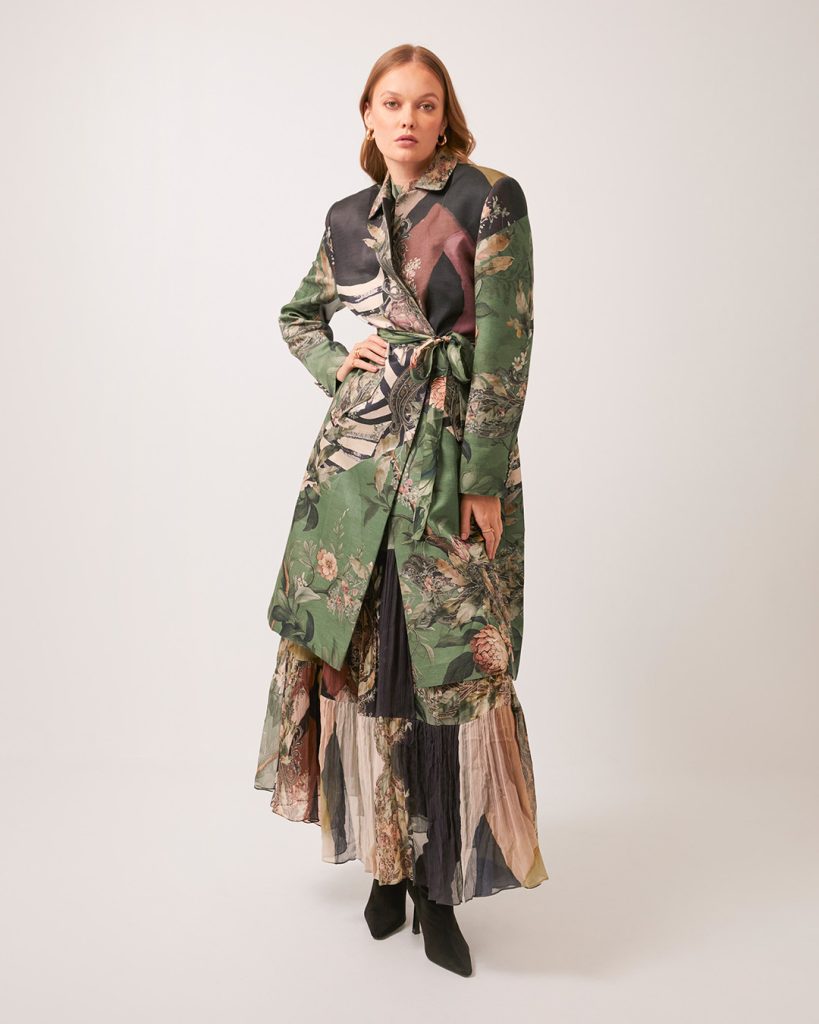
A mid-length trench coat works seamlessly for petite women. The mid-calf length elongates the frame, creating a flattering silhouette. The elegant silhouette, paired with the ideal length, creates a statement look that can be dressed up or down to suit the occasion. Unlike the short trench coats, these can be styled for colder months, offering more protection against the weather.
Full-Length Trench Coat:
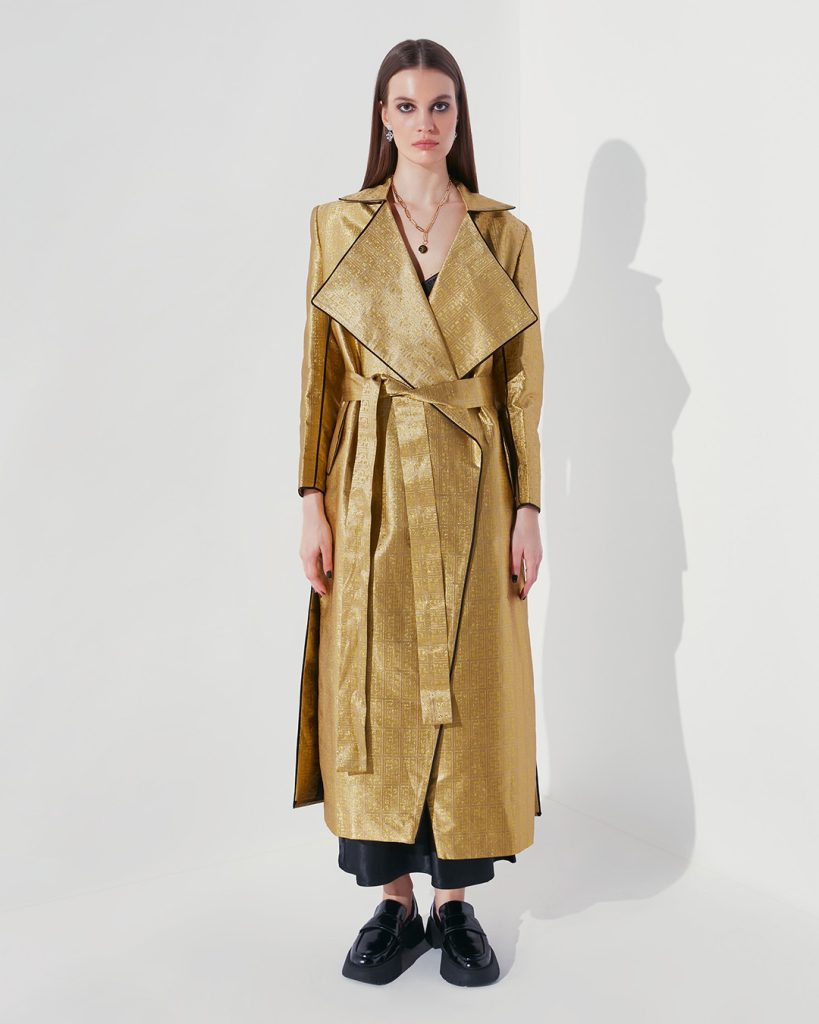
Full-length trench coats are definitely the most popular ones, as they are more mass appealing and offer a dramatic silhouette. The average length of a classic trench coat reaches almost the ankles, which is a flattering length for the majority of people. Whether you want to create an everyday look or achieve an elevated going-out outfit, a classic trench coat can be styled for different occasions and settings to create suitable looks.
Types of Trench Coats by Cut
Double-Breasted Trench Coat
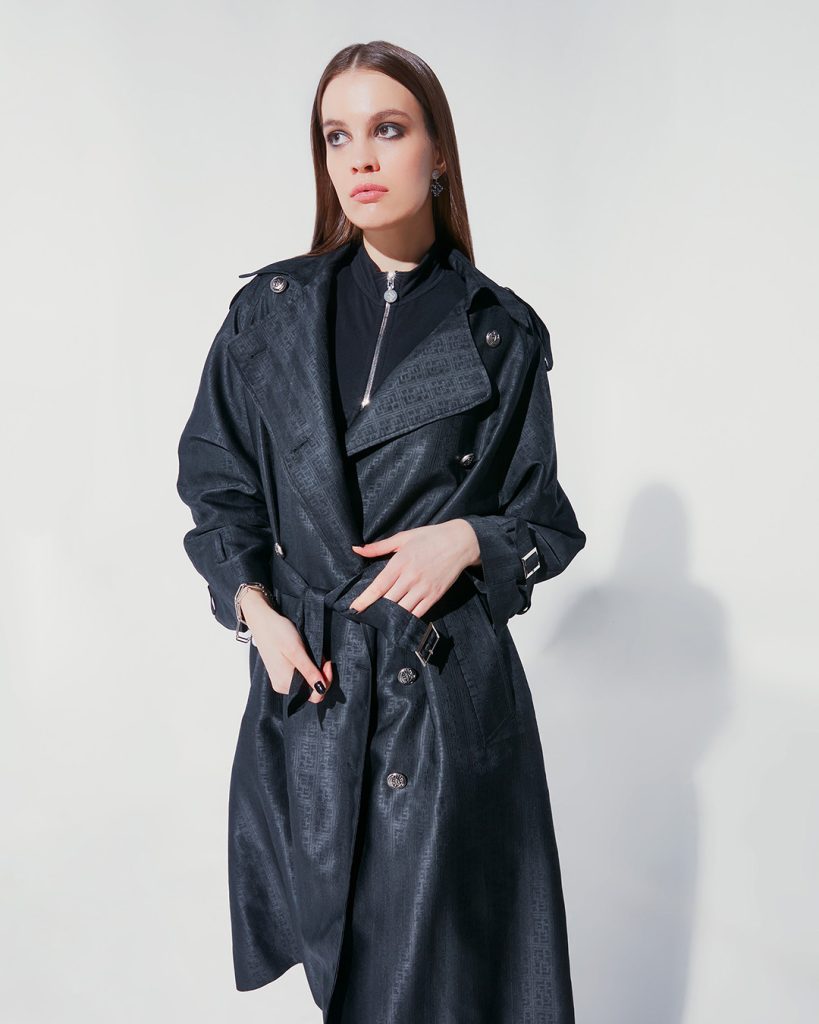
A traditional-style trench coat is double-breasted, which means the coat has overlapping front flaps with two columns of buttons on each side. For those who fancy old-school designs, a double-breasted trench coat is the ideal choice. The particular style works perfectly if you want to create a cinched-in waist. The waist belt, too, helps accentuate the waist, creating an hourglass silhouette.
Single-Breasted Trench Coat
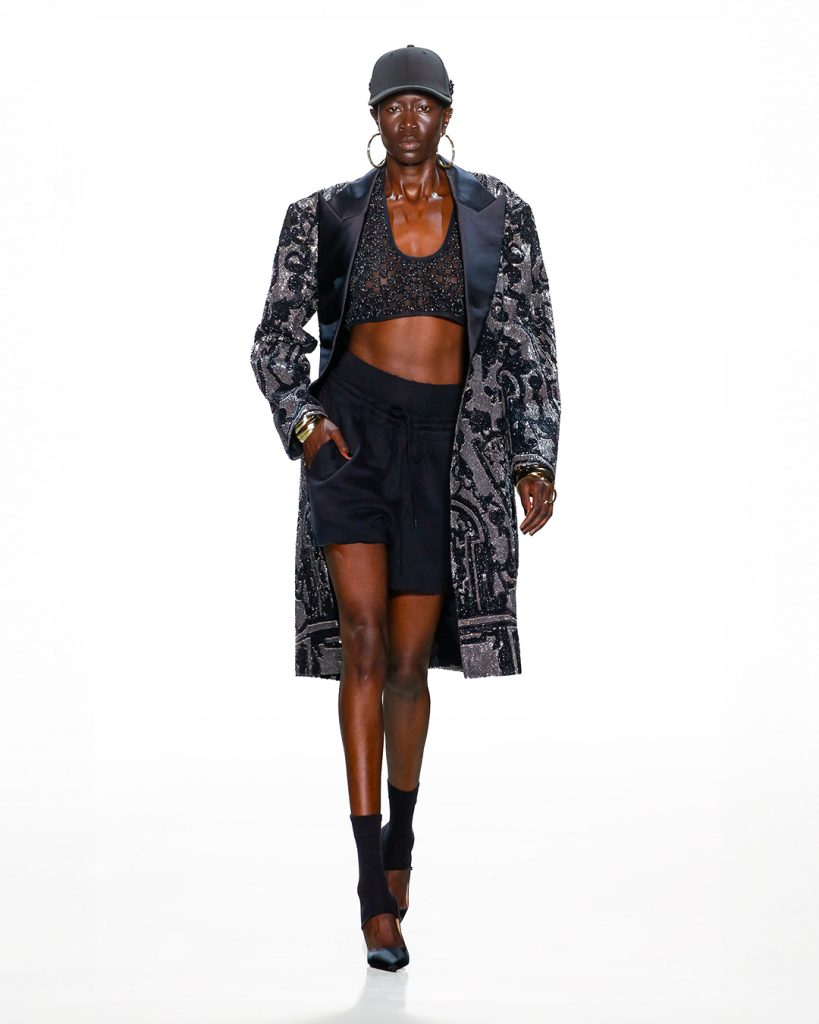
The single-breasted trench coat is a modern iteration of the traditional trench coat, featuring just a single, vertical row of buttons. This style offers a sleek and streamlined silhouette that looks cleaner and more refined. This particular style is less bulky and is easier to layer. While it offers a slightly more casual look, it still looks polished and sophisticated for everyday wear. Apart from this, the rest of the elements, like the waist belt, epaulettes on the shoulders, storm flaps, and the fabric, are almost always present.
Trench Coat Types by Fabric
Cotton Gabardine
The original trench coats were made from cotton gabardine, and it continues to be the most preferred fabric. This fabric was used intentionally to make it resistant against tough weather conditions, strong winds and rain. The tightly woven fabric deflects rain and offers excellent protection against climatic elements. However, despite its dense structure, it remains breathable and allows for seamless air circulation.
Wool Blends
For cold months, trench coats made from wool blends are a more suitable choice. Apart from warmth, the blended fabric adds stability and integrity to the structure of the trench coat, making it more suitable for regular wear. Compared to pure wool, blended fabrics are less prone to shrinkage and wrinkling, making aftercare simpler. In a nutshell, wool-blended trench coats are a more functional, stylish and affordable choice for everyday wear.
Linen
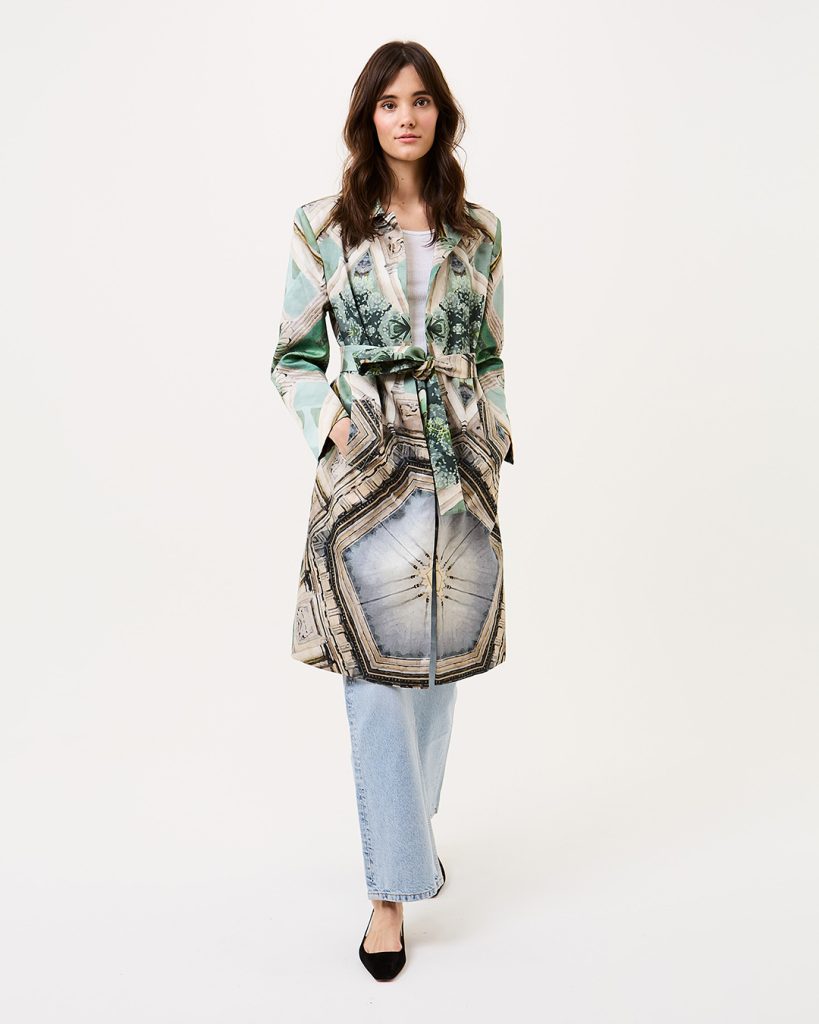
While gabardine and wool blends are great fabric choices for colder months, you cannot style these for warmer months. Linen trench coats come as a great alternative for those who want to incorporate the classic trench’s silhouette and design into their summer wardrobe. The natural moisture-wicking property of linen keeps moisture and sweat under control, and the open-weave structure allows for uninterrupted flow of air. The best part is that these coats can be explored in exquisite colours and prints, adding vibrance to your summer look.
When to Wear a Trench Coat?
Trench coats are a versatile garment that can be worn for various seasons and settings. Whether you want to add a stylish layer to your outfit during transitional months, keep yourself warm during the harsh cold or brighten up your look during peak summer, there is an ideal trench coat to suit your requirements.