
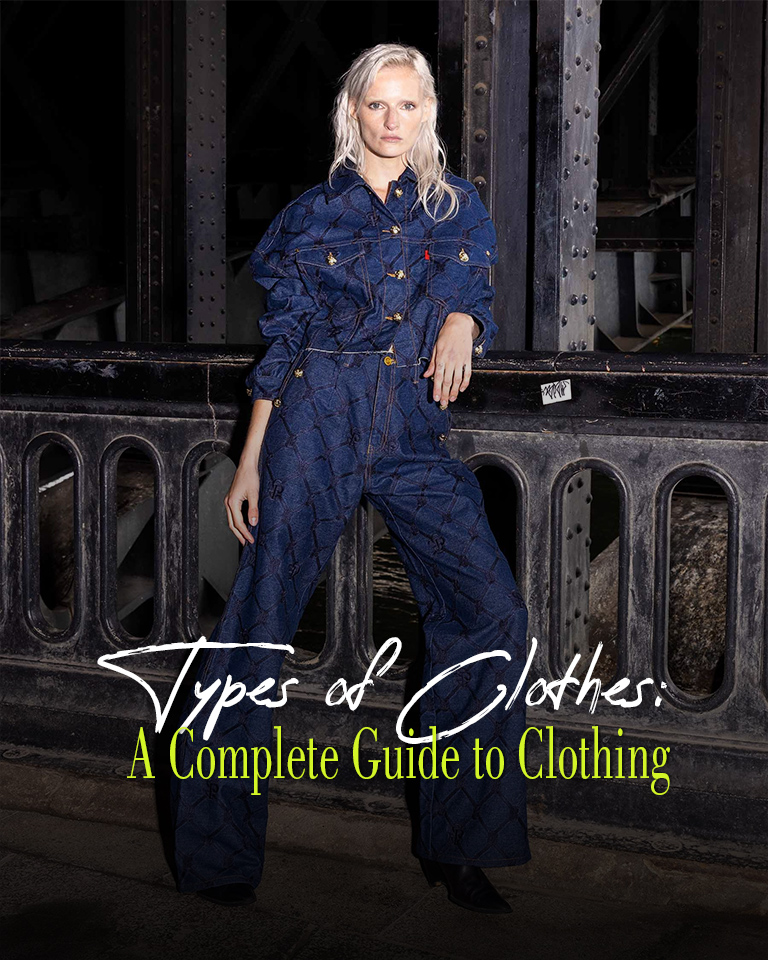
In the context of fashion, clothes are not only meant for covering up or protecting you against nature’s elements; they are a means to appreciate art, self-expression, and social identity. Every outfit you put together combines different pieces, fabrics, and silhouettes to create one cohesive look that suits the occasion while making you stand out fashionably from the crowd.
From the effortless comfort of an oversized T-shirt to the sharp look of a tailored blazer, every garment has its purpose, character, and place in fashion. But clothing goes far beyond tops, bottoms, and dresses. It includes a wide range of styles, from everyday essentials and statement pieces to occasion-specific outfits and functional wear.
Knowing the different types of clothes helps you understand how garments are classified, what makes each style distinct, and how they fit into different aspects of life. This guide explores different types of clothes and garment types in detail, giving you a clearer picture of the pieces that make up the world of fashion.
Types of Clothes by Occasion
Different occasions and settings call for different types of clothing to ensure you look appropriately dressed. Whether you are headed to a casual brunch with your friends, running errands, or heading for a client meeting, each occasion and setting calls for different types of clothing that balance fashion and comfort.
For example, casual wear, such as jeans, T-shirts, and everyday dresses, is ideal for relaxed outings. Formal wear, including suits, blazers, and elegant dresses, suits professional meetings and business events. Sportswear offers comfort and flexibility during physical activities. By understanding these clothing categories, you can dress confidently and appropriately for every occasion.
Casual Wear and Loungewear
Casual wear is relaxed everyday women’s clothing meant for regular outings, daily activities, and informal gatherings. Loungewear, on the other hand, is comfortable clothing pieces designed for relaxing at home while still looking presentable. Common pieces in casual wear include jeans, T-shirts, knit sweaters, casual dresses, cardigans, blazers, etc. Most worn loungewear pieces include matching sets, sweatpants, joggers, hoodies, sweatshirts, and relaxed-fit pants.
Formal and Business Wear
Formal attire is reserved for upscale social events, weddings, galas, and ceremonies, while business formal is the highest standard of professional workplace attire for corporate offices, board meetings, and client pitches. Formal wear leans towards floor-length evening gowns or elevated formal dresses tailored from dressier fabrics, while business formal clothing features tailored pantsuits, skirt suits, or knee-length dresses with a blazer.
Activewear and Sportswear
Activewear and sportswear are clothing designed for exercise and athletic activity. However, both activewear and sportswear are different from one another. Activewear prioritises comfort and flexibility, allowing for a seamless transition from light workouts to casual wear, whereas sportswear is engineered for structured workouts, specific sports, and intense physical exertion, providing support, durability, and sweat management.
Evening, Festive, and Occasion Wear
All three terms refer to elevated western clothing such as gowns, cocktail dresses, midi dresses, tailored jumpsuits, and co-ord sets designed for celebrations and special gatherings. Evening wear is mostly reserved for nighttime events, cocktail parties, and formal/semi-formal gatherings. Festive wear is best styled for festivals, Diwali parties, and wedding functions, and occasion wear is reserved for weddings, receptions, anniversaries, or galas.
Types of Clothes by Garment
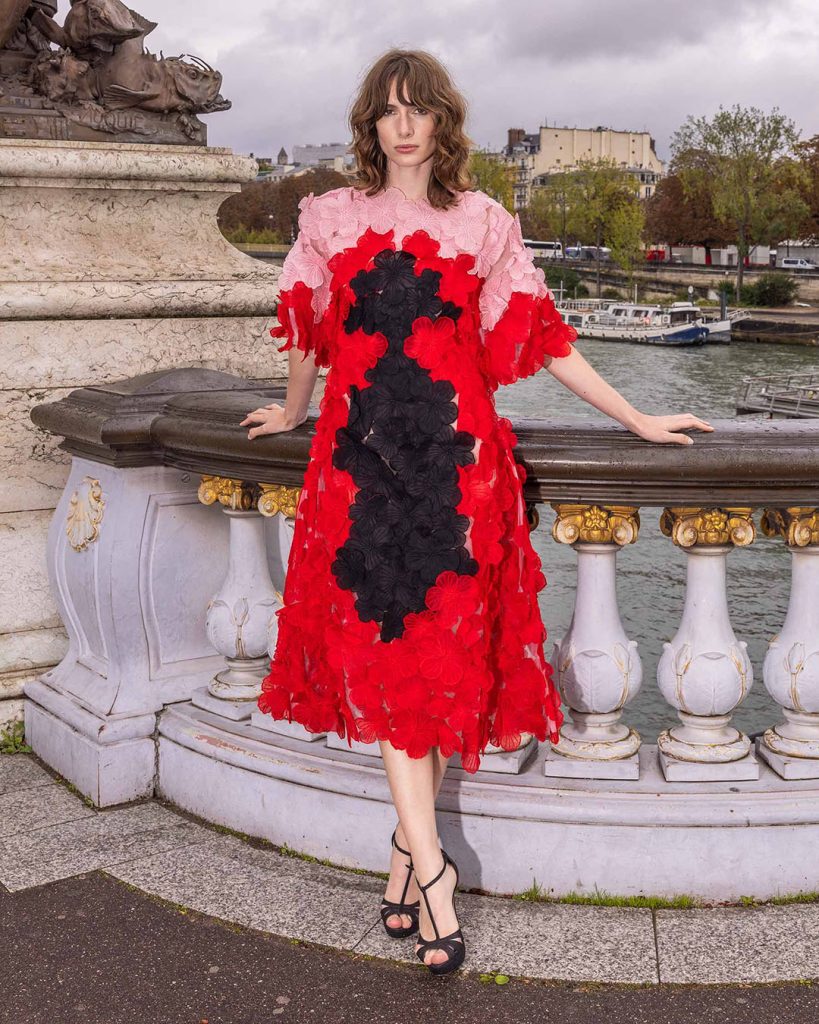
Clothing comes in various types, each designed for different occasions, seasons, and personal styles. Garments can be broadly classified into categories such as tops, shirts, T-shirts, trousers, jeans, skirts, dresses, jackets, coats, etc. Each garment serves a unique purpose, offering comfort, protection, and style.
From casual everyday outfits to formal office wear, different garments help express individual personality and fashion preferences. Understanding the types of apparel by garment makes it easier to choose suitable outfits, mix and match styles, and build a versatile wardrobe for every occasion.
Tops, Bottoms, and Dresses
All these lay the foundation of any woman’s wardrobe. Tops are garments designed to cover the upper body and come in a wide variety of styles, silhouettes, necklines, and designs. Bottom wear is designed to cover the lower part of the body, including the waist, hips, and legs. Jeans, trousers, skirts, shorts, skorts, palazzos, culottes, and leggings are all types of bottoms, made of different fabrics, cuts, silhouettes, lengths, and fits. Dresses are a one-piece garment that covers both the torso and the bottom, usually extending down to the knees or ankles. Mostly worn in mini, midi, and maxi lengths, dresses are designed for everyday casual wear, parties, special occasions, formal wear, and other celebrations.
Outerwear and Layering Pieces
Outerwear is referred to as garments that are worn over regular clothing to add protection and warmth from climatic elements like rain, wind, or cold weather. Jackets, coats, trench coats, overcoats, parkas, puffer jackets, denim jackets, etc., are all types of outerwear. Layering options, on the other hand, are relatively thinner and are worn either under or above your regular clothing to add warmth, depth, and visual interest. Common layering pieces include sweaters, cardigans, hoodies, pullovers, shrugs, vests, and lightweight jackets.
Innerwear and Sleepwear
Innerwear, or undergarments, are pieces worn underneath your clothing and designed for comfort, support, coverage, and hygiene. These are often made from breathable, soft, and stretchable fabrics like cotton, modal, lace, microfibre, and elastane blends. Sleepwear is referred to as clothing that is meant to be worn while sleeping and is focused on offering comfort and ease of movement. Popular sleepwear styles include pyjama sets, nightshirts, nightgowns, robes, and lounge sets.
Types of Clothes by Fabric and Season
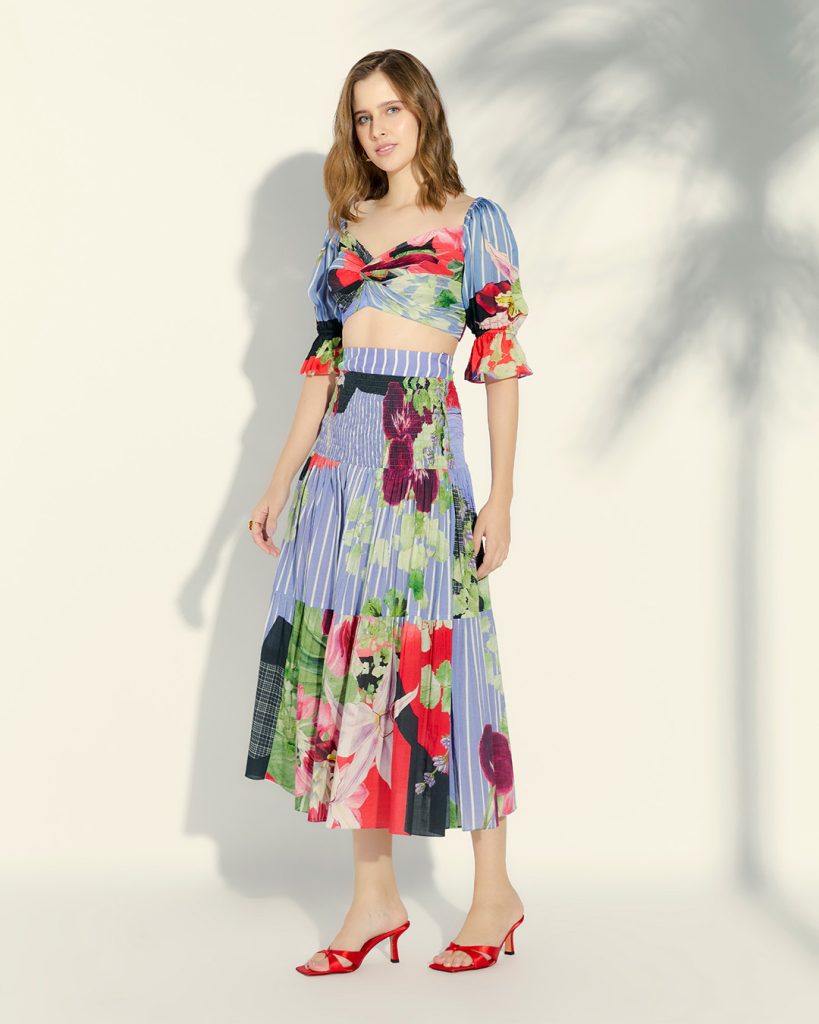
When talking about clothes, fabrics and seasons go hand in hand. For each season, there is a set of fabrics that offers the most comfort. For instance, loosely woven lightweight natural fibres are best suited for summer, while tighter knit fabrics that are heavier offer the right amount of warmth and insulation for winter.
Fabrics
Fabrics lay the foundation of different kinds of clothes, adding to their visual, comfort, and utility aspects. Each fabric adds different properties to the garment, making it ideal for specific weather, occasions, and garments. Therefore, it is critical to be aware of different types of fabrics and the respective weather conditions and occasions they would suit.
Natural
These fabrics are directly derived from plants and animals and are known for their comfort, breathability, and versatility. Depending on the thickness and appearance of the fabric, it can be worn for different weather and occasions. For example, cotton and linen are best suited for casual summer attire, silk is best kept for special occasions, and wool offers excellent insulation for winter months.
Synthetic
Synthetic fabrics are more affordable alternatives to natural fabrics and are produced using chemically produced fibres. These fabrics are fairly popular and are loved for their durability, quick-drying properties, wrinkle resistance, and ease of maintenance. From everyday casual wear to occasion wear to activewear, synthetic fabrics are used for almost all types of creations. Polyester, nylon, spandex, acrylic, lyocell, etc., are some of the most popular ones used extensively to create fashion pieces.
Blended fabrics
These offer the best of both worlds by combining two or more types of fibres to achieve a superior blend. With these fabrics, you receive a final product that has the beneficial properties of different fibres, such as elasticity, softness, breathability, and durability. Some of the most used blended fabrics include polycotton, cotton-spandex, wool-polyester, cotton-silk, and linen-cotton.
Season
One of the most crucial factors when choosing different types of apparel is the weather conditions and temperatures. The right clothing protects you against various climatic factors, keeps you comfortable and makes you look appropriately dressed at all times.
Summer
Summer clothing is designed to keep you cool, dry, and comfortable through the hot and humid weather. It typically uses summer-friendly fabrics like cotton, linen, lyocell, chambray, and hemp that allow for uninterrupted airflow and absorb excess moisture. The clothing is designed in relaxed silhouettes and shorter lengths to keep you comfortable. Skirts, shorts, culottes, camisoles, halter tops, dresses, cotton shirts, linen pants, playsuits, and co-ord sets are some of the staples in women’s summer wardrobes to create fashionable looks while beating the summer heat.
Winter
Winter clothing is designed to keep you safe from harsh cold conditions while looking stylish and fashionable. It is always made from materials that can trap heat and create insulation to keep the wearer warm. The fabrics used and the construction of the garment are key factors that decide the warmth and protection it will offer against the harsh climate. The clothing too is divided into different sections like base layers, mid layers, outerwear, and accessories, each one being just as crucial for creating an efficient winter look that is fashionably relevant.
Frequently Asked Questions
What are the main types of clothes?
There are two main factors based on which you can differentiate clothing: body placement and occasion. As per body placement, clothes can be grouped as tops, bottoms, one-piece garments, outerwear, underwear, and sleepwear. As per occasion, clothes can be segregated as casual wear, formal wear, activewear, sportswear, traditional, festive wear, and uniforms.
What is the difference between clothes and apparel?
‘Clothing’ is an everyday term used for clothing specifically, while ‘apparel’ is a more formal and broader term used for clothing and accessories.
How are clothes classified?
Clothes can be classified by purpose, such as casual or formal wear, fabrics, construction, how it is worn, body placement, season, and demographics, i.e., targeted to different wearers such as men, women, children, etc.