
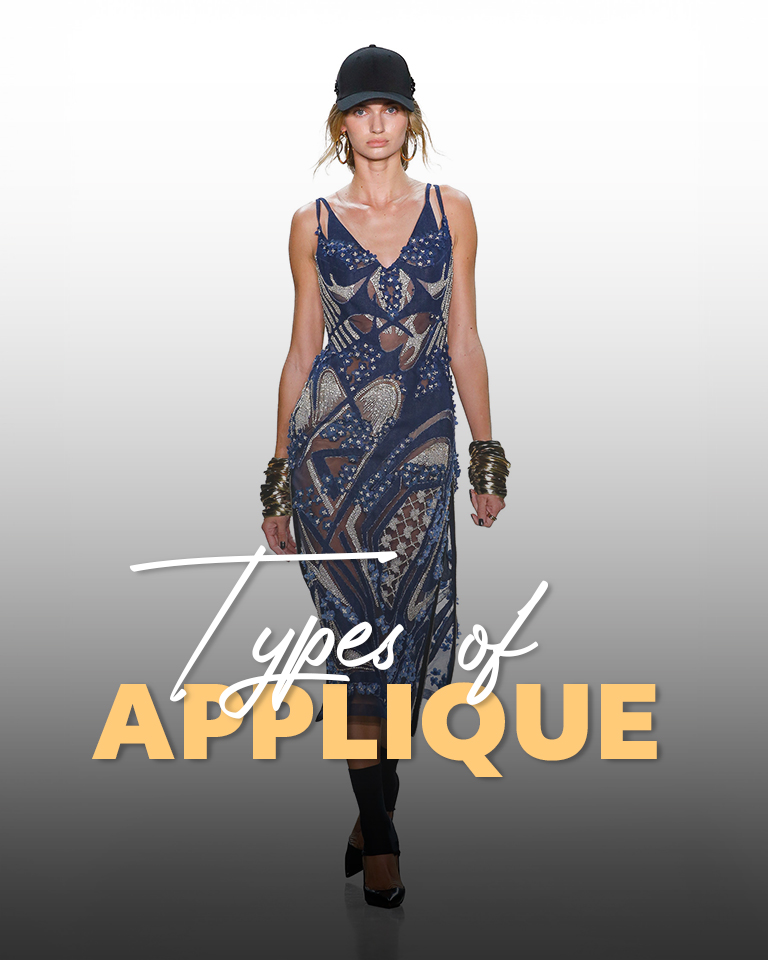
Appliqué is a popular fabric embellishment technique that involves attaching pieces of fabric to a base material to create decorative patterns, designs, and textures. It is widely used in fashion, embroidery, quilting, and home décor to add a unique touch to different fabric projects. There are several types of appliqué, each offering a distinct appearance and finish based on the fabric, design, and stitching technique used.
From traditional hand appliqué to modern machine techniques, understanding the different types of appliqué and their stitches can help you explore creative possibilities and choose the right method for your next sewing or embroidery project.
What Is Applique?
Appliqué can be defined as a decorative sewing technique where patches of fabric or metal and acrylic decorative pieces are sewn or glued onto a larger base fabric to create a picture or pattern. The origin of the technique, however, was not to use it for decorative purposes but to mend and strengthen worn-out clothing or patch holes.
Types of Applique
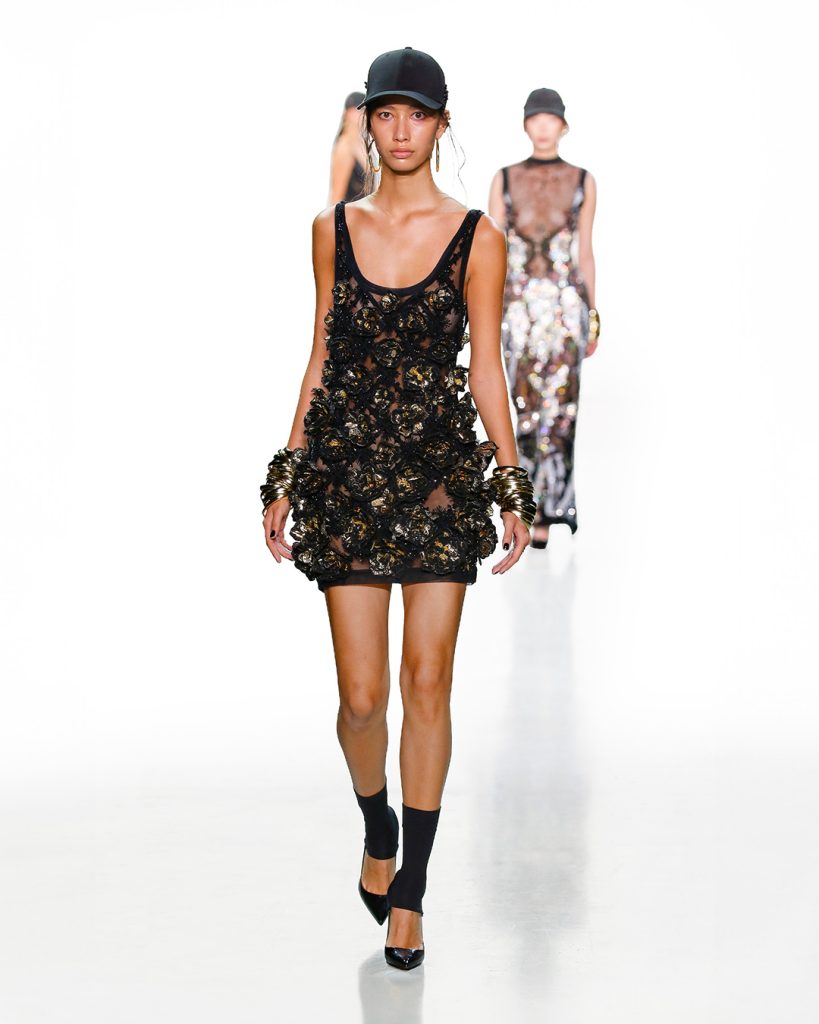
There are numerous types of applique techniques prevalent, and they vary based on the stitch, technique, and the final look of the garment. The ornamental technique uses fabrics and sometimes acrylic decorative pieces to add dimension and drama.
Raw Edge Applique
Raw edge applique is a sewing and quilting technique that uses fabric cut-outs, applied directly to a background fabric, and sewn with raw edges exposed. The applique is cut precisely and is attached to the main fabric using permanent fusible web. This ensures that the applique stays intact while stitching and does not move from its place. The edges are then secured using straight, zigzag, or free motion stitching to lock the applique.
Reverse Applique
The reverse applique technique involves cutting the desired pattern on the top layer of fabric, revealing a contrasting fabric or colour underneath, and then stitching around the cut-out outline.
Needle-Turn Applique
The needle-turn applique technique is used to attach fabric shapes or cut-outs onto the main fabric without using iron-on adhesive or fusible web. When cutting the applique, there is a small seam allowance left, and it is seamlessly tucked under using the tip of the needle while stitching it on, creating an invisible seam.
Smooth Edge Applique
The smooth edge applique technique is where the raw edges of the applique are hidden under, either through hand sewing, using a stabiliser, a tight machine zig-zag stitch, or a freezer paper. This technique ensures that there are no fraying edges showing on the final product, whether it is an applique dress or a patch blanket.
Felt Applique
Felt applique is more fabric-based rather than sewing technique-based. In a nutshell, this technique uses shapes cut from felt and attached to a base fabric using glue or stitching. Unlike other fabrics, felt does not fray, making it perfectly beginner-friendly.
Types of Appliqué Stitches
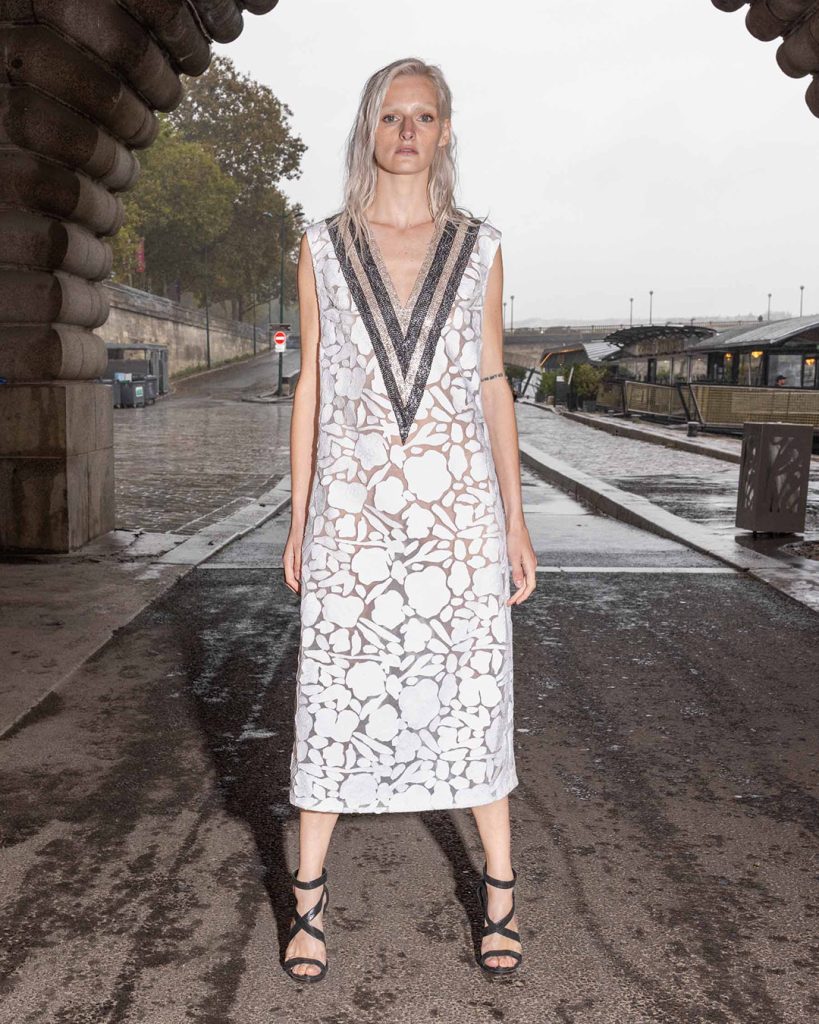
Appliqué stitches are one of the most prominent elements of this technique. Different types of stitches add a different look to the edges and can be done by sewing machine or by hand, depending on the desired effect.
Zigzag (Satin) Stitch
A zigzag stitch creates a diagonal, back-and-forth stitch between two points to form a zigzag or V-shaped pattern. A satin stitch is a type of zigzag stitch that is very tightly packed, shortening the stitch length to almost zero, creating a condensed look where the threads lie flat and form a solid, satin-like block of colour.
Blanket (Buttonhole)
At first glance, you can’t tell the two stitches apart because they look almost identical. But they differ in how the thread is locked, the spacing, and their primary use. Buttonhole stitches are sturdier and more durable, while the blanket stitch is used for decorative purposes.
Appliqué in Fashion and Garment Design
The word “appliqué” comes from the French word “appliquer”, meaning “to apply” or “to put on”, and is used to define a textile technique where small fabric pieces are sewn, glued, or fused onto larger background fabric to create textures, patterns, or multi-dimensional motifs.
The applique technique is a pivotal element in fashion design, as it adds visual depth and texture in artisanal clothing and haute couture. These details are especially effective in luxury dresses, where intricate craftsmanship and statement embellishments form an important part of the overall design.
What Does Applique Do in Fashion?
Adds textural and visual depth: Applique detailing helps break the flat surface by adding layers of contrasting colours, texture, and shapes on the base garment.
Branding and logos: Numerous brands use the technique for branding their products, especially with logos and patches.
Artisanal and haute couture: Designers use fabric cut-outs embellished with threadwork, beads, sequins, and crystals to elevate simpler silhouettes into high-fashion statement pieces like embellished jackets, appliqué skirts, varsity jackets, patchwork shirts, etc.
Frequently Asked Questions
What is ‘applique’ used for?
Appliqué is used as a technique to add dimension and visual depth to plain garments.
What is the best stitch for appliqué?
Different stitches serve different purposes, and thus it is impossible to single out one stitch alone. However, some of the most popular stitch options for appliqué are blanket, zigzag, straight, blind hem, and whip stitch.
What’s the difference between appliqué and embroidery?
Embroidery is a design technique that adds texture, motifs, and colours using only thread stitches, while appliqué uses pieces of clothing or sometimes acrylic cutouts, sewn or glued to the base fabric to add depth and texture.
What fabric is best for appliqué?
100% quilting cotton is one of the best fabrics for appliqué, as it is easy to cut, sew, and handle. Other great fabric options include batiks, felts, flannel, fleece, silk, organza, and lace.
What are the different styles of appliqué?
Some of the different appliqué styles include raw-edge appliqué, hand appliqué, fusible appliqué, reverse appliqué, machine-embroidered appliqué, etc.