
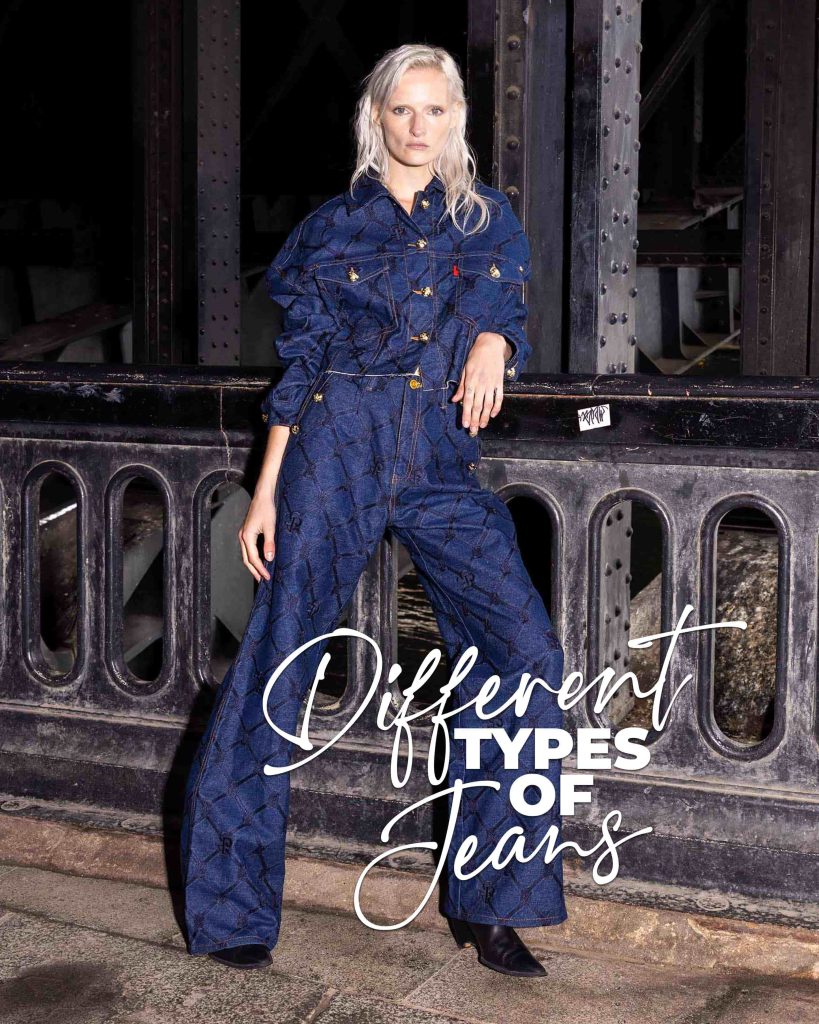
Who would have thought that the rugged trousers worn by gold miners in the mid-1800s would one day emerge as one of the most beloved garments, worn by millions across the globe daily? Yes, we are talking about the timeless and versatile bottoms for women, denim jeans.
For decades, jeans have been a staple in the wardrobes of fashion-loving women. The fit, rise, and washes may have changed and evolved over the years, but one thing that stays consistent is the chokehold that a good pair of jeans has on us. Whether you are headed out for a quick trip to the grocery store or an impromptu date night, reaching out for your favourite pair of jeans feels almost instinctive.
But what is it that truly makes jeans such a timeless and versatile garment? Well, a few factors. There is a plethora of styles to choose from, based on fit, rise, fabric, colour, and wash style. The key is to get familiar with these different characteristics and combine them to find your ideal pair.
Types of Jeans by Leg Fit and Cut
One of the main factors that differentiates different types of jeans for women is the leg fit and cut. Come along as we discuss some of the most popular jeans types based on leg fit.
Skinny Jeans:
Skinny jeans sit very close to the legs, almost like a second skin. It is usually made from stretchable denim materials to ensure a snug fit, right from the waist to the ankles. Their form-fitting silhouette sculpts the wearer’s body, creating a sleek look. While skinny jeans witnessed a fair share of popularity at different phases between the 1950s and the 2010s, their popularity began to decline around the early 2020s.
How to style: Skinny jeans are best paired with loose-fitting tops for a balanced look. Solid blouses with blouson sleeves, tucked-in oversized shirts for women, and relaxed-fit t-shirts pair beautifully with the figure-hugging jean silhouette. Added layers, like trench coats, blazers, and chunky sweaters, add proportion.
Straight-Leg Jeans:
As the name suggests, a straight-leg jean has the same width from the thigh down to the ankle. Unlike skinny jeans that taper or flared jeans that widen at the bottom, straight-leg jeans fall straight, creating a classic silhouette that is chic, versatile and comfortable for everyday wear.
How to style: Straight-leg jeans can be styled for both office and casual wear when paired with the right top and accessories. To create office-appropriate looks, pair your jeans with a button-down shirt or fitted top, a blazer and suitable accessories. For a casual everyday look, choose a t-shirt, tank top or tube top, paired with sneakers, sandals or ankle boots.
Slim-Fit Jeans:
Slim-fit jeans sit very close to the body, but not as figure-hugging as skinny jeans. This one sits close to the thigh but tapers slightly from the knee as it reaches the ankle. These are a more comfortable and versatile option to choose if you think skinny jeans are too restrictive for you. From everyday wear to smart casual settings, you can create sharp, modern looks with slim-fit jeans.
How to style: Slim-fit jeans are very versatile and can be styled for various settings to suit your requirements. However, this particular style looks better when styled with slightly oversized or loose-fitting tops, women’s denim shirts, t-shirts and blouses. Switch between different shoe styles to match the occasion, and accessorise with items like a scarf, hat, belt or sunglasses to complete the look.
Bootcut Jeans:
Bootcut jeans have a distinctive shape that is fitted through the hips and thighs but flares out gradually past the knee. The flare is fairly dramatic and wide enough to accommodate a pair of boots; thus, the name ‘bootcut’. It is a versatile and timeless style that bridges the gap between fitted jean silhouettes and bell-bottom jeans.
How to style: Depending on the type of look you are aiming to achieve, you can pair your bootcut jeans with different top styles and accessories. However, it is recommended to tuck in your shirt or top and add a belt to create a defined waist. This style obviously pairs well with boots, but also creates a chic look when styled with kitten or high heels.
Flared Jeans:
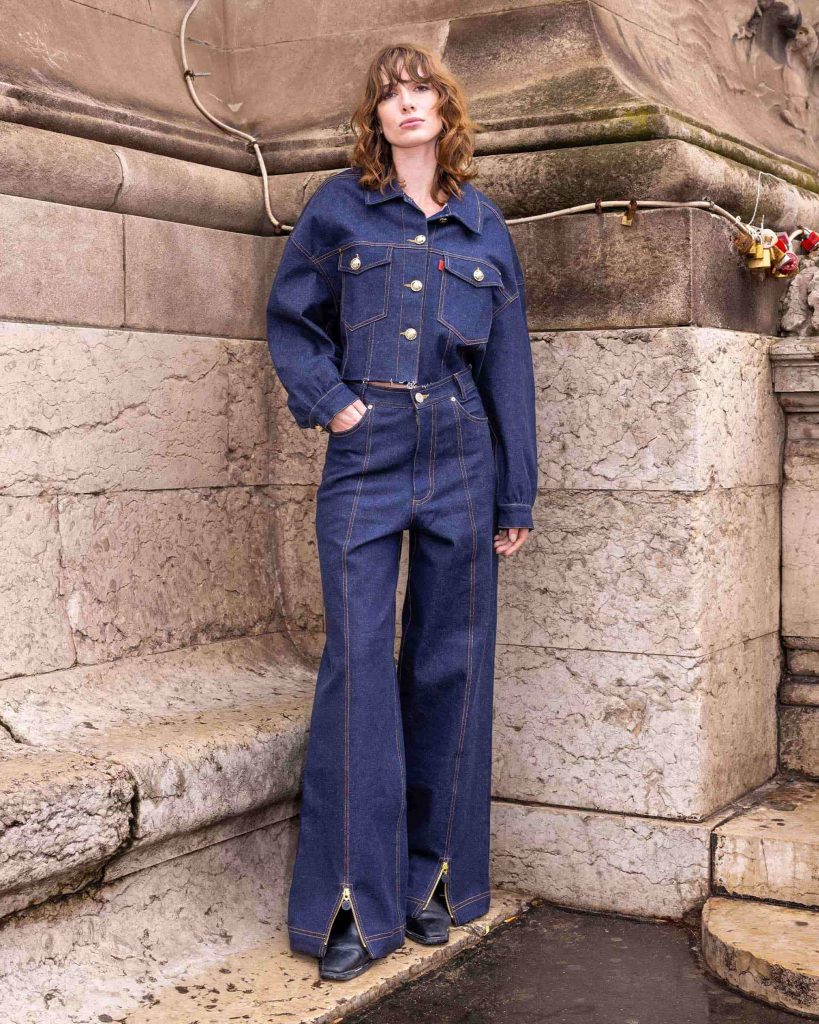
The flared jeans are similar to bootcut jeans, but some characteristics set the two apart. One of the main characteristics is the size of the flare. The flare on flared jeans is wider and more dramatic compared to bootcut jeans. Famously known as bell-bottom jeans, these jeans give a retro and bohemian vibe to your look.
How to style: The key to styling flared jeans is balancing the volume, especially if you are petite. Fitted and cropped tops pair well with this style, creating a proportionate look, similar to how a flare dress flatters the body by highlighting the waist and creating a balanced silhouette. Get the jeans hemmed to skim the floor and not drag. Consider pointed-toe boots or heels to achieve a lengthening effect.
Wide-Leg Jeans:
One of the trendiest in the current fashion scenario, wide-leg jeans are ruling the wardrobe of women of all ages and from all walks of life. This particular style of jeans is comfortable and stylish at the same time, offering a versatile everyday dressing option to fashion-loving women. This jean style features a loose and relaxed silhouette from the hips down to the ankle. They have a fitted waist that adds structure to the otherwise loose silhouette.
How to style: Wide-leg jeans offer you the freedom of pairing them with different types of tops to create suitable outfits, based on your fashion preferences and the occasion. Fitted tops, peplum tops, button-down shirts, t-shirts, crop tops, bodysuits, blazers, oversized jumpers, etc., can all be paired with wide-leg jeans effortlessly to achieve the desired look.
Mom-Fit Jeans:
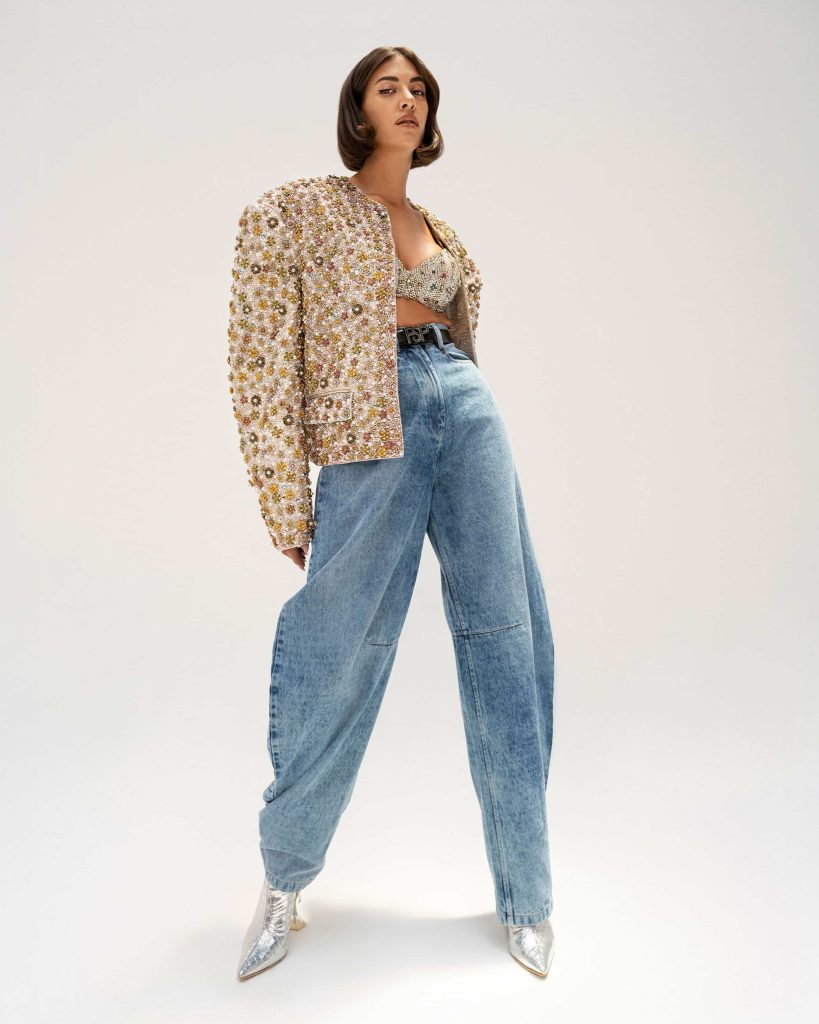
Mom jeans feature a tapered silhouette that is wider at the hips and thighs and narrows down as it reaches the ankles. But it maintains a relaxed fit with extra room in the crotch and hip area. Another key characteristic is the high waist and cropped hem, ending just above the ankle. This jean style became popular in the 70s and 80s, offering a suitable option for women who had just had a baby.
How to style: Mom jeans feature an in-between fit that is neither too loose nor too tight, allowing you to choose all sorts of top styles to pair with them. Pair them with a loose graphic t-shirt and ankle boots for a casual grunge look, or wear them with a crisp button-down, belt, and strappy heels for an office chic look.
Understanding Different Types of Jeans by Rise (The Waistline)
Another key characteristic that defines the overall look is its rise, i.e., where it sits on the waist. There are three types of jeans when categorised by the rise.
- High-Rise Jeans: High-rise jeans sit high on your waistline, usually on or above your navel, hugging at the narrowest part of the waist. They offer a snug fit that is flattering for many body types and gives your legs an elongated appearance. These can be paired with cropped tops for a casual yet chic look or with formal shirts to create chic workwear outfits.
- Mid-Rise Jeans: The mid-rise jeans sit below the natural waist, typically right below the navel. This style features a 9- to 11-inch distance from the waistband to the crotch seam. It is a good option to pick if you think high-waisted ones are a bit unflattering on you.
- Low-Rise Jeans: Low-rise jeans sit low on the hip bone. The style was made really popular in the early 2000s by global pop stars and Hollywood actors, and is gradually making a comeback now. The rise for this one is typically 8 inches or lower.
The Technical Details: Wash and Material
Just like different styles and rises, denims also vary in terms of washes and materials. These two factors significantly add to the look and comfort of the jeans.
Types of Denim Wash: What do we mean by ‘denim wash’, you may ask? The different shades, fades, and textures you see on your jeans are referred to as wash. Each wash is achieved through a different process and adds a unique visual appeal to it. Here are some common denim washes you often see on jeans:
- Rinse Wash: This one is the standard one to achieve a clean, non-faded look. The denim pants are just soaked in water to remove excess dyes for a clean and uniform colour.
- Stone Wash: A traditional process where pumice stones are used to wear off the fabric to give it a softer feel and a worn-out look.
- Acid Wash: This one uses oxidising agents along with pumice stones to achieve an irregular, patchy and high-contrast faded appearance.
- Bleach Wash: You get a more uniform look with this technique, which uses bleaching agents like sodium hypochlorite to achieve the faded look.
- Monkey Wash: This one combines the use of chemicals and physical scrubbers to create a unique, faded look.
Denim Material and Fabric
The materials or denim fabrics used for making jeans can be categorised based on the weave, treatments and material composition. Some of the most common denim fabrics used for making jeans are as follows:
- 100% Cotton Denim: The most commonly used traditional denim is the 100% cotton one, woven in a sturdy twill pattern.
- Stretch Denim: This one is a blend of cotton and synthetic fibres such as elastane or spandex to give a stretchable and comfortable fit.
- Cotton Blend Denim: This one is also a blended denim, featuring a blend of cotton with lyocell for a softer and more breathable option.
- Raw Denim: Raw or dry denim is unwashed denim that has a stiff texture but fades with time, creating unique wear patterns.
- Washed Denim: Denim that has been washed and treated for a softer fabric and a faded look.
FAQs
What is the most flattering type of jeans?
No one style fits all when it comes to denim types. Your ideal jean style can vary depending on your fashion preferences and your body type.
Are skinny jeans still in style?
Skinny jeans are not as popular at the moment as they used to be, but there are certain looks that you can’t pull off without them. For instance, an over-the-knee boot look can only be achieved with skinny jeans, and no other jean style would work.
What is the difference between bootcut and flare jeans?
Both styles are fairly similar. The only difference is the size of the flare. Flared jeans have a wider flare compared to bootcut jeans, giving a more dramatic look.
How often should I wash my jeans?
You don’t have to wash your jeans frequently or after every wear. Ideally, you should wash your jeans after 7-10 wears, or when they are visibly dirty or have an odour.
Conclusion
A well-chosen pair of jeans can elevate any wardrobe, offering endless versatility through different fits, rises, and washes. Understanding these details helps you style every outfit with confidence and find the perfect pair for every occasion.